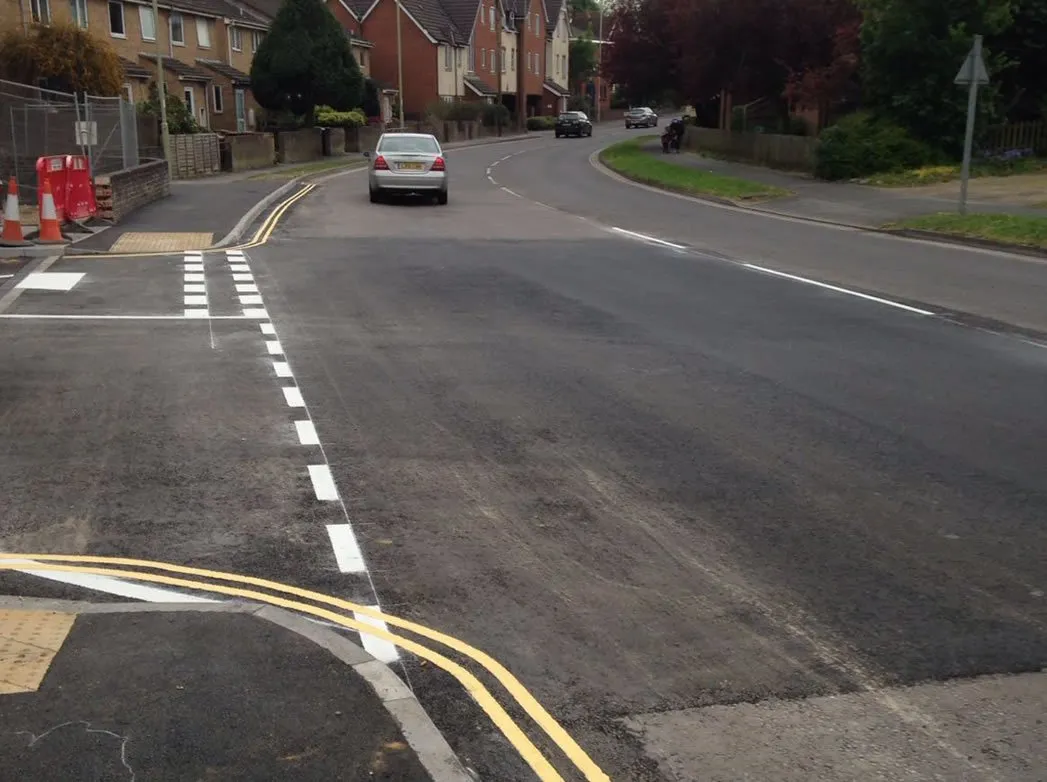
Without road markings, driving would become an almost impossible task, and therefore, road safety is compromised for both the driver and pedestrian. Road markings direct, warn and keep drivers safe. While countries display different road markings, the most universal ones used across the countrie possess the same intention and effectiveness regardless of location. In this article, we will explore the purpose and meaning of road markings.
Road Markings: Line Markings
Road markings play a critical role in vehicle operation and help ease vehicle function while enhancing safety for all those driving, navigating on foot, or cycling. Those solid white, yellow, or dashed lines you see everywhere are part of an elaborate system that aims to create a safe environment for everyone.
International line markings are used across the board. The most popular are crosswalks for pedestrians, parking bays, stop lines, give-way lines, and centre lines. Each is designed with specific patterns and colours to make it clear for travelling vehicles. Safety is detertmined by road markings—so they are extremely important worldwide.
When striping is applied in the right areas, it directs oncoming traffic and acts as a cautionary sign for traffic going in the opposite direction. When striping is left unmaintained for an extended period of time, it can become faded over time, meaning vehicles may collide with one another, misinformed by the paint on the ground. Local road lines require regular inspections to guarantee that line markings are clear and consistent.
Road Markings: Warning Markings
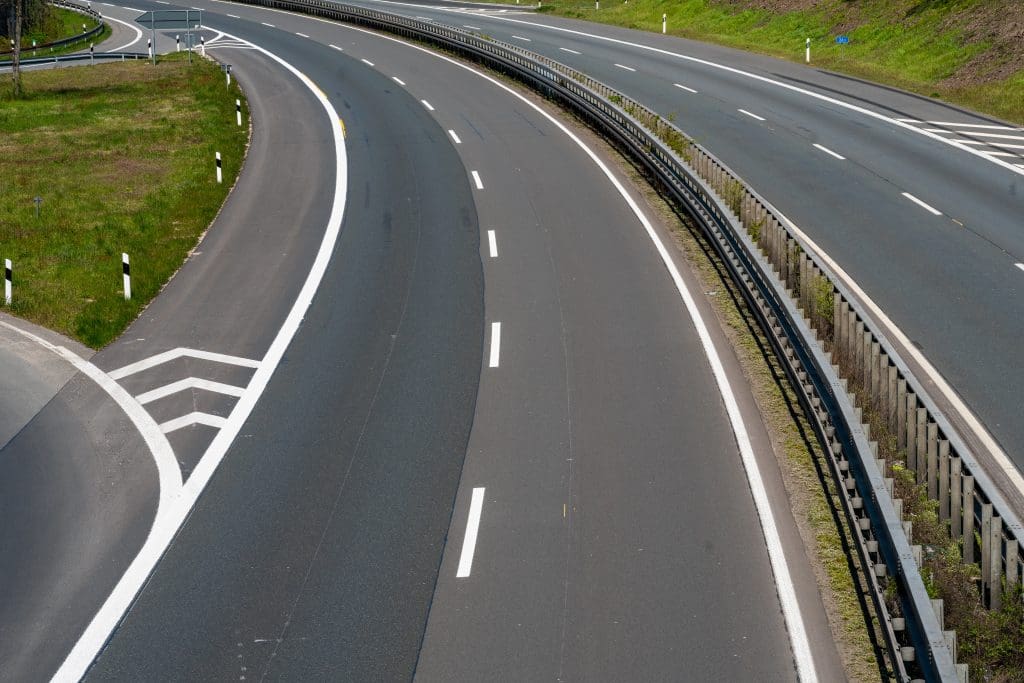
Warning markings are designed to inform the driver of potential hazards. The most frequently used road markings for this type of communication include arrows, chevrons, and diagonal lines. These are also painted in noticeable colours—yellow and orange. For example, arrow markings indicate where drivers are supposed to go (or where a change in direction will occur).
Similarly, chevrons are in a V shape (or sometimes inverted) and indicate where the road bends or where a bend is located further down. Diagonal lines are painted on steep grades and inclines to indicate potentially hazardous areas for losing control.
In addition to these cautions, countless other marking signals show on the roads. While some are more universal than others—construction, pedestrian, and school warnings, for example—these caution markings are important for safe travel.
Conclusion: Safety and Functionality
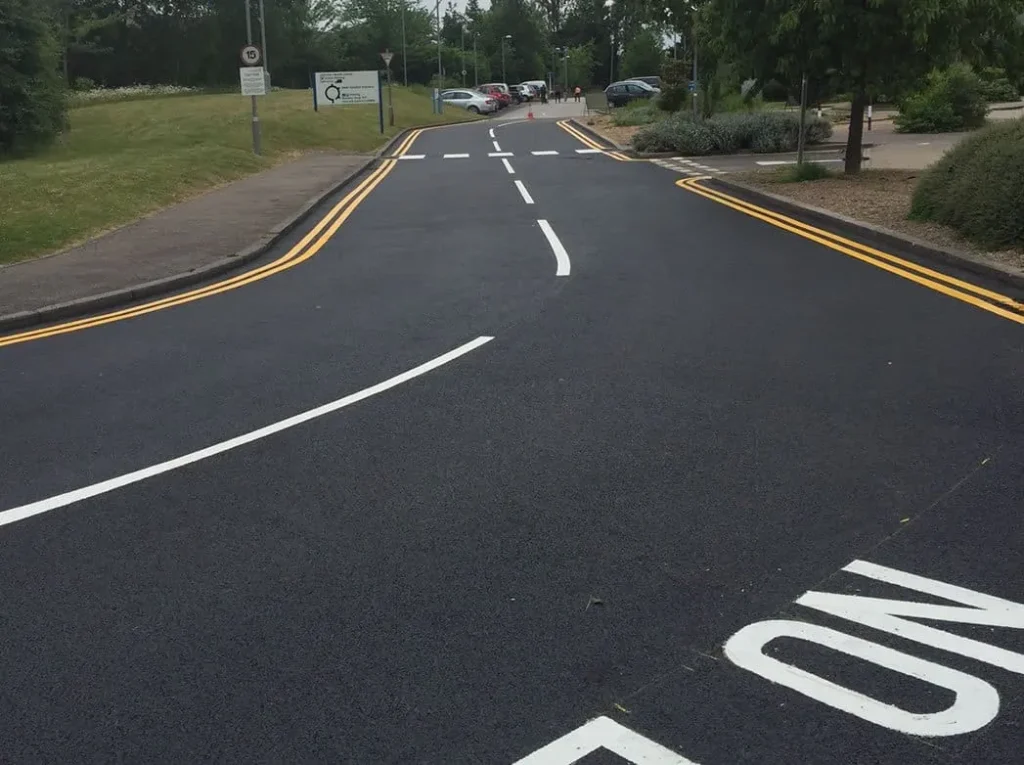
Ultimately, road markings are a matter of safety and function. They help drivers understand what they have to do when they’re behind the wheel; they keep people in their lanes and prevent collisions. For instance, road markings like crosswalks and painted regions where cars cannot go allow pedestrians to venture slowly into the pathway to cross without issue.
Furthermore, road markings are not just a matter of safety but also, unfortunately, a matter of function. For example, dashed and solid lane markings depict where vehicles should be driving for the best traffic configuration. They also indicate where a vehicle has enough space to travel on the other side to pass another car. Without road markings, the roads and streets would be highly unsafe.
Ultimately, roadway markings appear to be a permanent part of life, whether we go somewhere on foot or in whatever car we take. Whenever anyone enters a car and drives, regardless of the direction it turns or where it parks, roadway markings allow the average person to be safe and ensure an anticipated and safe amount of car traffic to and from. Thus, a system of roadway markings is necessary for the future.