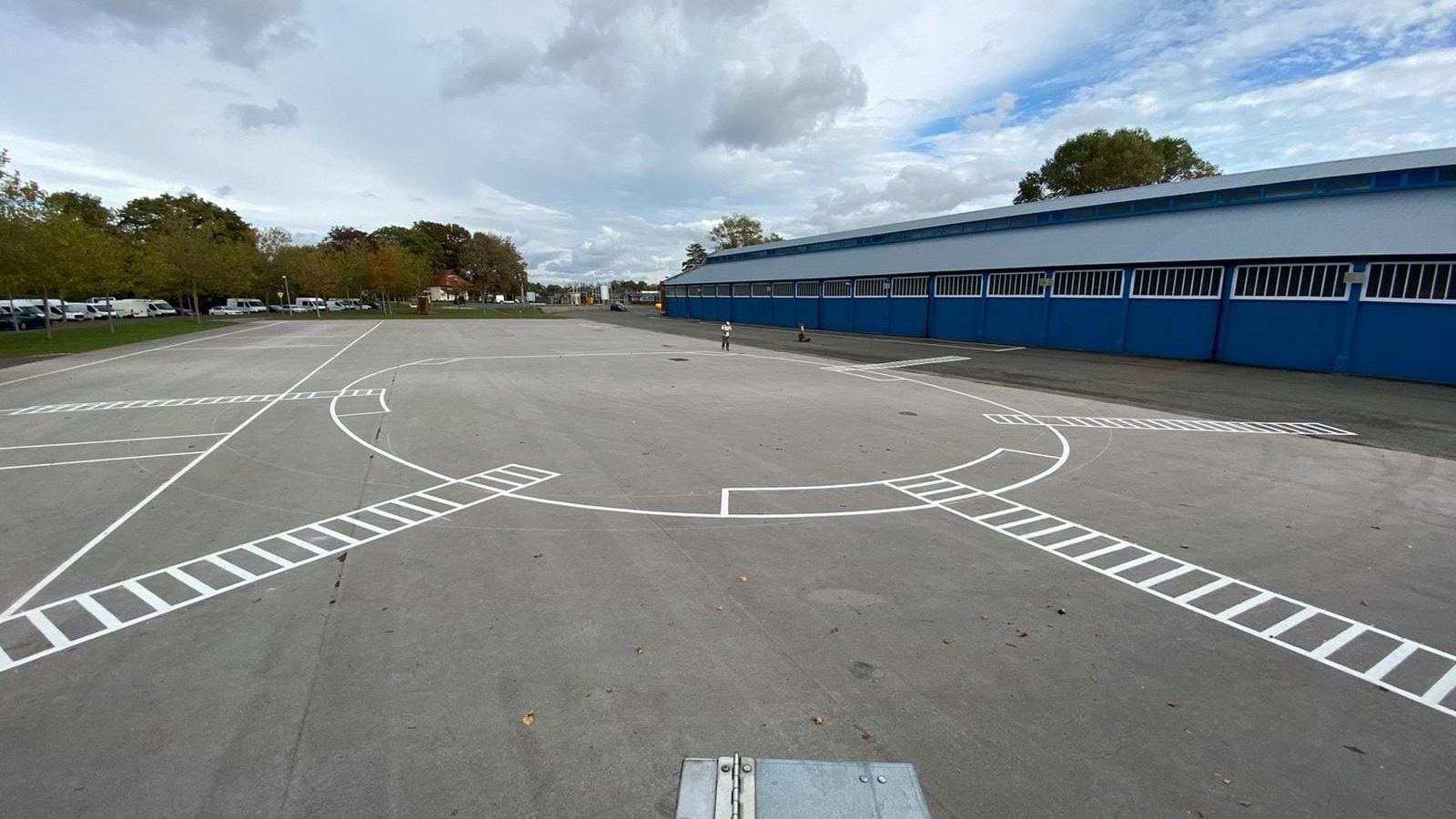
Why tidy car park lines in Poole matter for your business
If your car park lines in Poole are faded, uneven or confusing, you’re risking accidents, frustrated customers and lost revenue. Clear, well-painted markings make it obvious where to park, reduce kerbside damage and help customers get in and out quickly. For landlords, retailers, schools and leisure facilities in Poole, well-maintained markings also support safety compliance and improve the visual impression of the site.
You may also find White Lining Poole: Clear, Durable Markings to Improve Your Site useful for related guidance.
What professional car park line marking delivers
When you choose a specialist to paint or refresh car park lines in Poole you get more than white paint on tarmac. A professional service typically includes:
- Site survey and layout planning — ensuring bay sizes, disabled spaces and traffic flow meet needs and regulations.
- Surface preparation — cleaning, degreasing and repairing small defects so paint adheres and lasts.
- High-quality materials — thermoplastic, long-life paints and specialised machines for crisp, reflective lines.
- Speedy, low-disruption delivery — work scheduled to suit your customers and staff, often overnight or in phases.
- Optional extras — resin logos, directional arrows, bay numbering and anti-slip coatings.
These steps reduce repaint frequency and give you consistently clear markings that protect users and reflect well on your business.
How to choose the right car park lines service in Poole
Picking the right contractor matters. Look for companies that can show local experience, clear examples and a sensible approach to minimising disruption. Helpful checks include:
- Photos of recent work in the Poole/Bournemouth area and case studies showing before-and-after results.
- Evidence of the materials they use — thermoplastic for high-traffic sites, reflective paints for night visibility.
- Clear scheduling options and willingness to work outside peak hours so your business keeps running.
- Written estimates that detail surface prep, layout changes and painting—so there are no surprise costs.
If you’d like to see local examples, view our posts on White Lining Poole and Parking Lines Poole to get a feel for material choices and finished results.
Common buyer objections and practical answers
Here are the typical concerns customers raise and how a professional service addresses them:
- “Will this shut our car park for days?”Most line marking jobs are planned to minimise downtime. Smaller sites can be done overnight; larger areas are completed in sections so you can keep operating. The contractor should give a clear schedule before starting.
- “Is long-life paint worth the extra cost?”Yes. Higher-quality materials last longer in Poole’s coastal climate where salt and rain accelerate wear. Fewer reworks save money and reduce disruption over time.
- “How do I know the layout will suit my customers?”A site survey will review traffic flow and pedestrian routes. Contractors can propose efficient bay layouts and mark disabled bays and loading zones to meet access rules.
- “What about safety and compliance?”strong>Experienced teams will mark bays, hatchings and signage to current guidance and can advise on signage and lighting improvements if required.
You may also find Parking Lines Poole: Clear, Durable Markings That Improve Your Site useful for related guidance.
Getting started: practical next steps
Ready to refresh or install car park lines in Poole? Follow these quick steps to move from problem to solution:
- Arrange a free site survey so the contractor can assess surface condition and discuss layout options.
- Request a written quote that breaks down preparation, materials and scheduling.
- Agree a date and disruption plan — ask for phased works or out-of-hours work if required.
- Check aftercare advice — regular cleaning and touch-up schedules prolong life and visibility.
If you want practical local examples and further reading, the site has a helpful guide to Car Park Lines: A Practical Guide and a page that explains the broader Car Park Line Painting service.
Conclusion: make your Poole car park safer, neater and more efficient
Faded or unclear car park lines in Poole create safety risks and a poor impression. A professional line-marking service solves that quickly and with minimal disruption, delivering durable markings that improve traffic flow, compliance and customer experience. If you want crisp, reliable results and local expertise, a short site survey is the best next step — it gives a clear plan, cost and timing so you can decide with confidence.
For examples of recent local work and to see material options, explore the site pages linked above or contact a specialist to arrange a no-obligation survey.
You may also find Car Park Lines: A Practical Guide to Safer, More Efficient Parking Areas useful for related guidance.
Frequently asked questions
How much do car park lines in Poole cost?
Costs vary depending on site size, surface condition and materials. A simple refresh of painted bays on a small car park can be quoted per bay, while larger works using thermoplastic or full resurfacing need a site survey. Ask for a written estimate that lists preparation, paint type and any repairs so you can compare quotes fairly.
How long does line marking take and when is the best time to schedule it?
Small sites or phased works can often be completed overnight; full repaints of larger car parks may take a day or two. The best time is outside peak trading hours—overnight or weekends—to minimise disruption. Your contractor should provide a clear timetable before starting.
How long will new markings last in Poole’s coastal climate?
Longevity depends on materials and traffic. Standard paint may need refreshing every 12–24 months in high-traffic or coastal locations. Thermoplastic and specialist long-life paints can last several years longer. Good surface preparation and routine maintenance extend lifespan significantly.
Do I need to consider disability bays and regulations when repainting?
Yes. Disabled bays, hatch markings and accessible routes should comply with current guidance and building regulations. A professional contractor will advise on correct bay dimensions, signage and tactile or surface treatments if required to ensure compliance and safe access.