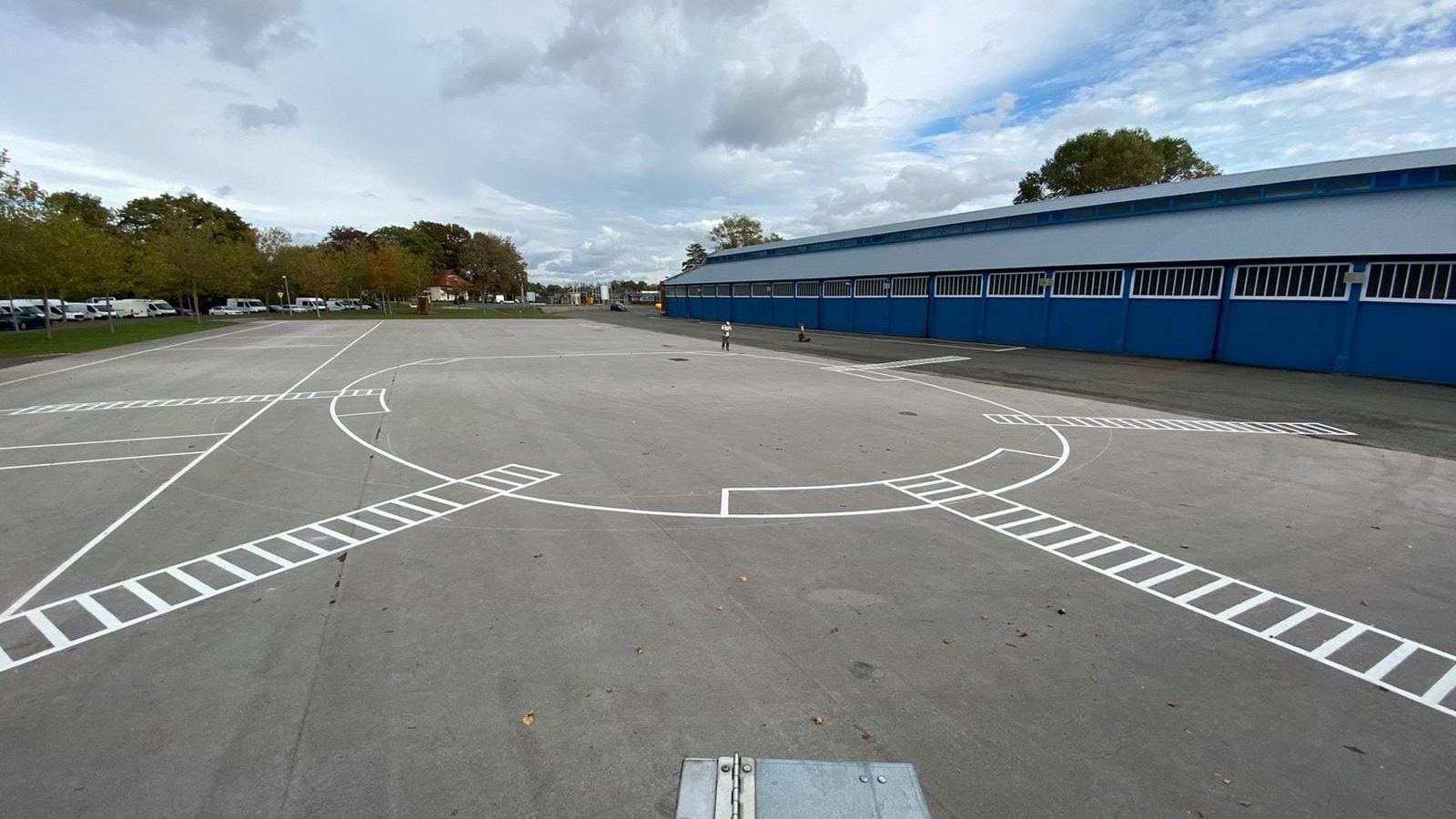
Why clear white lining matters for Poole sites
If your car park or yard looks faded, confusing or cramped, white lining in Poole fixes the problem quickly. Good markings reduce parking disputes, improve traffic flow and keep pedestrians safer. For businesses, cleaner lines mean a better first impression and fewer liability risks. Whether you manage a retail park, apartment block or council car park, investing in professional white lining is a practical, cost-effective upgrade.
You may also find Parking Lines Poole: Clear, Durable Markings That Improve Your Site useful for related guidance.
Top benefits of professional white lining in Poole
Choosing a specialist for white lining delivers benefits that matter to buyers:
- Improved safety: Clear bays, walkways and directional arrows reduce collisions and guide drivers and pedestrians where to go.
- Compliance and accessibility: Correctly marked disabled bays, loading zones and fire lanes help you meet regulations and avoid fines.
- Durability: Commercial-grade paints and thermoplastic options last longer than DIY solutions, cutting re-marking frequency and cost.
- Professional appearance: Crisp, even lines improve customer experience and protect brand reputation.
- Optimised space: Accurate layouts can increase capacity and reduce congestion, turning marginal gains into measurable value.
How the white lining process works
A reputable team will start with a site survey to understand surface condition, traffic patterns and your objectives. Typical stages include:
- Preparation: Cleaning, removing loose material and repairing small surface defects so paint bonds properly.
- Layout and marking: Measuring and snapping guide lines to ensure bay widths and arrow directions follow guidance.
- Application: Using specialist spray machines or thermoplastic for high-wear areas to achieve smooth, consistent lines.
- Finishing: Adding anti-slip textures and curing time before reopening the area to traffic.
This approach avoids the common problem of premature wear or uneven coverage that comes with cheap materials or rushed jobs.
Common buyer objections — answered
Many managers hesitate before hiring a white-lining contractor. Here are the usual concerns and straightforward answers:
- “Isn’t it expensive?” Professional lining is an investment. Because high-quality coatings last longer and reduce maintenance, the lifetime cost is often lower than repeated DIY touch-ups.
- “Will it disrupt business?” Experienced teams plan around your opening hours, work in phases and use fast-curing materials to keep downtime minimal.
- “How do I know the lines will be accurate?” Ask about survey methods and request images from previous jobs. Specialists use measured layouts and laser-guided equipment where needed.
- “What about durability in Poole’s climate?” Contractors choose paints and thermoplastics rated for coastal environments and high UV exposure, with options for extra sealants where salt or heavy traffic is a concern.
You may also find Car Park Lines: A Practical Guide to Safer, More Efficient Parking Areas useful for related guidance.
Choosing the right white lining partner in Poole
Pick a supplier who combines local experience with clear, written proposals. Look for these practical signs of a dependable team:
- Site-specific quotes after a survey, not generic estimates.
- Use of commercial-grade materials and modern application equipment.
- Examples of recent work and client references—before-and-after photos are especially useful.
- Clear scheduling that minimises disruption and explains traffic management during works.
- Insurance and warranties that protect you in case of defects.
If you want to see how similar projects are described, check related service pages such as our Car Park Line Painting and Car Park Marking Bournemouth pages for typical services and finishes.
Practical use cases and outcomes
White lining helps a wide range of sites in Poole:
- Retail car parks: Faster turnover, fewer disputes and clearer pedestrian routes near entrances.
- Residential developments: Marked visitor bays, bin collection points and clear emergency access routes.
- Industrial estates: Designated loading areas, no-parking zones and heavy-vehicle guidance to reduce wear.
- Public car parks and councils: Consistent bay sizing and clear rule markings to support enforcement and revenue collection.
Outcomes you can expect include reduced incidents, better space utilisation and a tidier, more professional appearance that customers notice.
Conclusion — get reliable white lining in Poole today
If unclear or faded markings are costing time, risk or curb appeal, professional white lining in Poole is the practical fix. A specialist team delivers safer layouts, longer-lasting results and minimal disruption. For a tailored quote and to see examples of recent work, consider contacting a local car park marking specialist. For more detail on the typical services offered and materials used, visit our pages on Car Park Lines and Car Park Marking.
You may also find Play Area Markings Poole useful for related guidance.
Frequently asked questions
How long does white lining in Poole typically last?
Longevity depends on materials, traffic levels and weather. High-quality thermoplastic can last several years in heavy-use areas, while good specialist paints usually provide 1–3 years of clear markings. Regular maintenance and using commercial-grade products extend life.
Can white lining be done without closing the whole car park?
Yes. Professional teams use phased working and traffic management to keep most of the site operational. They plan jobs around your busiest times and use fast-curing materials to reduce disruption.
Will new line markings meet accessibility requirements?
Experienced contractors are familiar with UK guidance for disabled bays, access aisles and kerb access. They can design layouts that meet local rules and improve convenience for users.
What preparations are needed before a lining team arrives?
Typically you should clear loose items and parked vehicles from the areas to be worked on. The contractor will handle cleaning, minor surface repairs and setting out, but removing obstacles speeds the process and reduces costs.