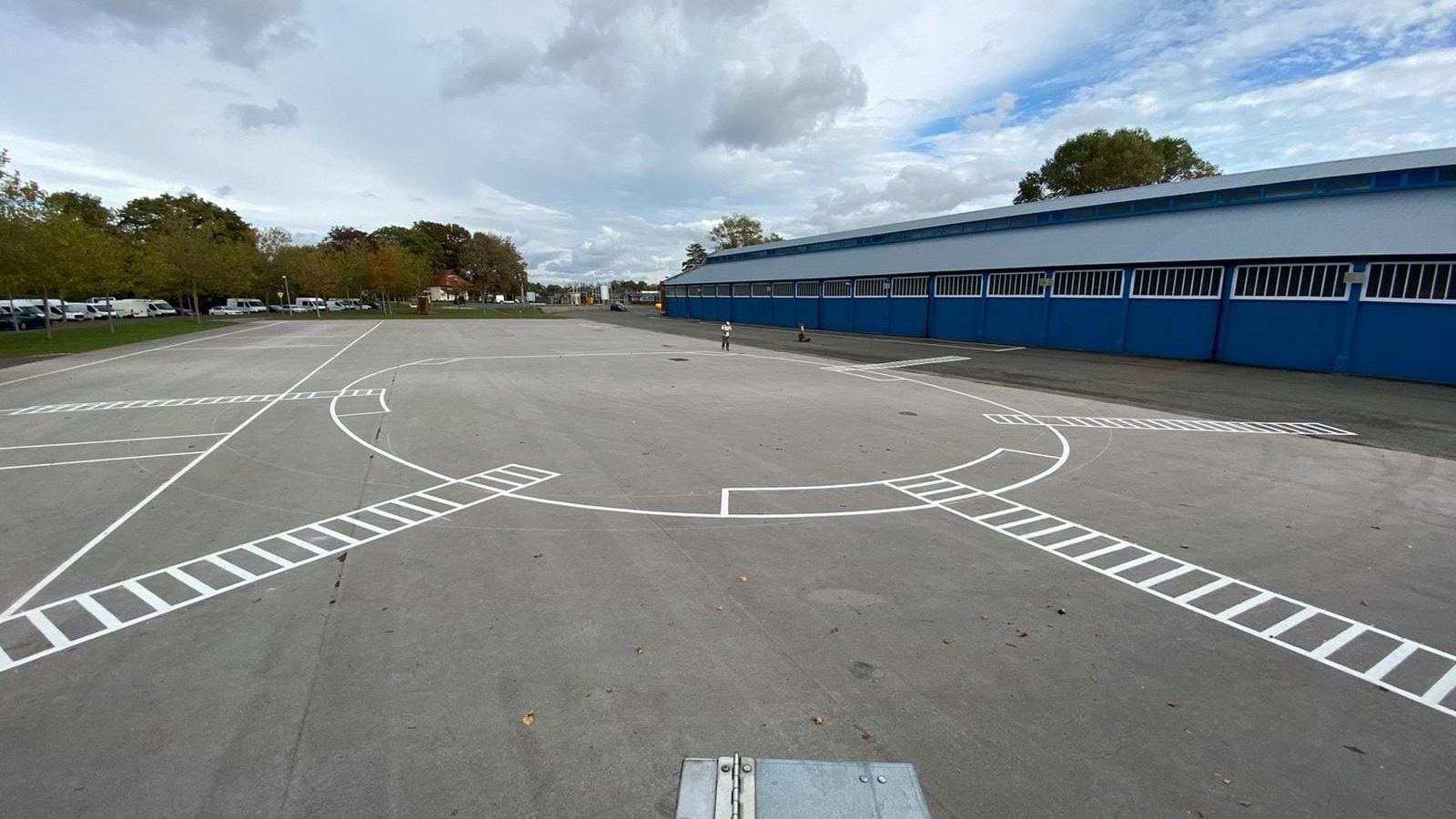
Poorly marked parking bays cause confusion, damage and wasted space. If you’re responsible for a car park, retail forecourt or business premises in Poole, clear parking lines reduce incidents, speed up turnover and present a professional image. This guide to parking lines Poole explains the practical options, common problems and how to choose a supplier who delivers long‑lasting, compliant markings.
You may also find Car Park Lines: A Practical Guide to Safer, More Efficient Parking Areas useful for related guidance.
Why correct parking lines matter for your site
Parking lines do more than divide bays. They direct traffic flow, protect vulnerable routes for pedestrians, identify disabled and parent-and-child spaces, and help you get the maximum number of bays from a given area. Poorly placed or faded lines increase the risk of vehicle damage, customer frustration and even legal complaints. Investing in quality line marking pays for itself through better site use and fewer avoidable incidents.
Materials and methods: what works in Poole’s climate
Not all line marking is equal. For Poole’s mix of coastal weather and busy town centres, choose materials designed to resist abrasion, salt and fading.
- Thermoplastic markings – Highly durable, reflective and excellent for high-traffic areas. They bond mechanically to the surface and last longer than paint.
- Acrylic paints – Cost-effective and quick to apply. Best where budgets are tight and wear is moderate. They dry fast but may need more frequent refreshes.
- Road marking tapes – Useful for temporary or fast installations. Less durable long-term, but minimise downtime during installation.
- Anti-slip coatings – For pedestrian crossing zones and ramps to reduce slips when wet.
Your contractor should advise the best option after surveying your surface, traffic levels and expected lifespan. A professional survey is a small upfront cost that prevents costly rework.
Common buyer concerns — and straightforward reassurances
When hiring a line marking specialist you’ll likely worry about disruption, costs and durability. Here’s how reputable firms address those concerns so you can buy with confidence.
- Disruption: Experienced teams schedule works outside peak hours and use fast‑drying materials to keep downtime to a minimum.
- Cost: Get a clear quote that lists preparation, materials and traffic management. Cheaper quotes often miss essential repairs or inferior paint choices that cost more over time.
- Durability: Ask for examples of recent local jobs and a warranty or maintenance plan. Thermoplastic and specialist road-marking paints typically offer the best long-term value.
- Compliance and safety: Contractors should follow local regulations for disabled bays, fire access and traffic flow—request a site plan showing bay layouts and signage.
You may also find White Line Markings Bournemouth useful for related guidance.
How to plan parking lines for maximum efficiency
Good planning turns a car park into an asset. Follow these practical steps before work begins.
- Survey usage: measure typical peak occupancy and vehicle types (cars, vans, deliveries).
- Prioritise safety: clearly mark pedestrian routes and crossings, and ensure fire lanes remain unobstructed.
- Optimise bay sizes: standard bays suit most cars, but consider wider bays for disabled and parent‑and‑child spaces.
- Think about drainage and surface condition: poor surfaces should be repaired before line marking to avoid premature failure.
- Plan for signage and enforcement: combine clear markings with visible signs to reduce misuse and support enforcement.
Working with a contractor who offers a site plan and CAD layouts prevents misunderstandings and helps you visualise the final result.
Why choose a specialist for parking lines in Poole
Choosing a specialist ensures the job is done quickly, safely and to the right standards. Look for teams with local experience in Poole and nearby Dorset towns—familiarity with local roads, regulations and coastal conditions matters. You can view related services such as Car Park Line Painting and Car Park Marking to compare approaches and materials.
A credible supplier will provide:
- Free site surveys and clear written quotes.
- Evidence of local projects and client references.
- Appropriate traffic management and insurance documents.
- Options for planned maintenance and refresh cycles.
If aesthetics matter—for retail or hospitality sites—ask for crisp, clean finishes and colour-matched reserved bays. For high-use commercial yards, prioritise thermoplastic or specialist road paints for longevity.
Next steps: getting an accurate quote
Start by requesting a site visit. A contractor will measure the area, assess surface condition and traffic patterns, then recommend materials and provide a written quote. Compare at least two local suppliers and check recent work—many reputable companies will show photographs of completed car parks in Bournemouth and Poole.
For more detail on the techniques used, see our article on Car Park Marking Bournemouth, or read about specialist line painting approaches on the Car Park Painters page.
Well-executed parking lines reduce disputes, improve turnover and protect your assets. With the right materials and a professional partner, your Poole site can look smarter and operate more efficiently with minimal disruption.
Ready to improve your car park? Arrange a survey to get a tailored plan and accurate cost—it’s the quickest way to see how much better clear, durable parking lines will work for your site.
You may also find Parking Lines Bournemouth useful for related guidance.
Frequently asked questions
How much do parking lines cost in Poole?
Costs vary with surface size, materials and preparation work. Simple acrylic repaints are cheaper, while thermoplastic or specialist anti-slip markings cost more but last longer. Ask for a site survey and itemised quote; most suppliers provide a free inspection and written estimate.
How long does line marking last on a car park?
Lifespan depends on traffic and material. Acrylic paint typically lasts 1–3 years in busy areas; thermoplastic and specialist road paints can last 5–10 years. Regular maintenance and addressing surface defects will extend life.
Can parking lines be painted without closing the car park?
Often yes. Contractors can work out of hours, section off small areas or use fast‑drying materials to minimise disruption. Larger resurfacing work may require temporary closures—this will be highlighted during the site survey.
Do I need permission or compliance checks for marking parking bays?
Private car parks generally do not need highway authority permission, but disabled bays, fire access routes and loading areas must meet guidance and building regulations. A professional contractor will advise on compliance and recommend correct bay sizes and positioning.